Main Sewer Line Repair and Replacement Services
Your main sewer line is one of the most important plumbing systems on your property. Every toilet, sink, shower, and household drain depends on this underground pipe. Wastewater must move safely away from your home or business.
When the main sewer line fails, the entire plumbing system can be affected. Slow drains may appear first. Toilets may begin gurgling, while sewage odors can develop inside the property. In serious cases, wastewater can back up through toilets, showers, or floor drains.
Finding the problem quickly is essential. Metro Plumbing and Drains provides sewer line repair, main sewer line replacement, and sewer line installation throughout Atlanta and the Metro Area. Our plumbers diagnose damaged sewer systems and explain the available repair options clearly.
For sewer line assistance, call 470-435-4377.
What is a Main Sewer Line and Why is it So Important?
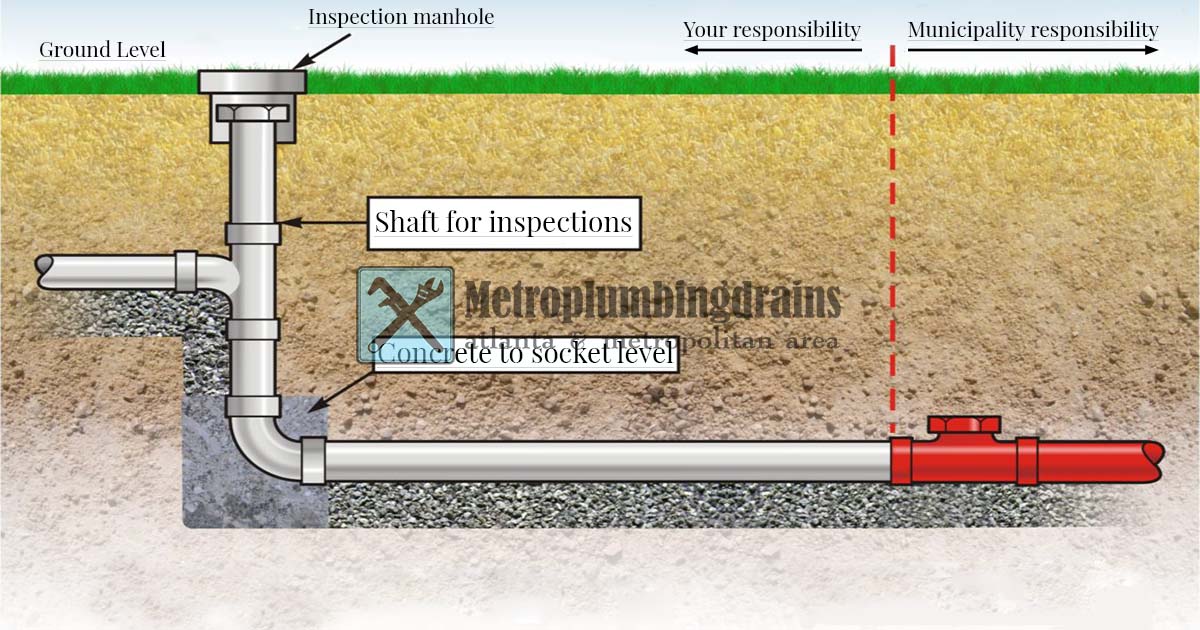
The main sewer line connects your property’s plumbing system to the municipal sewer system. Wastewater from toilets, sinks, showers, washing machines, and other fixtures flows into smaller drain pipes. These drains eventually connect to the main sewer line.
A properly working sewer pipe carries wastewater safely away from the property. Problems develop when the pipe becomes blocked, cracked, corroded, collapsed, or incorrectly installed. Because the main line serves multiple fixtures, a failure can affect the entire property.
How is a Main Sewer Line Different From a Drain?
A household drain usually serves one fixture or a small group of fixtures. The main sewer line receives wastewater from many drains. This difference is important when diagnosing plumbing problems.
A clogged kitchen sink may indicate a local drain problem. Several slow drains throughout the house may indicate a main sewer line problem.
Main Sewer Line vs. Individual Drain Problems
|
Plumbing Symptom |
Possible Local Drain Problem |
Possible Main Sewer Line Problem |
|
One slow sink |
Yes |
Less likely |
|
Less likely |
Yes |
|
|
Gurgling toilets |
Possible |
Common warning sign |
|
Sewage in a shower |
Unlikely |
Serious warning sign |
|
Sewer odors throughout property |
Less likely |
Possible |
|
Wastewater backup |
Rare |
High concern |
Professional diagnosis helps determine where the actual problem is located. Correct diagnosis can also prevent unnecessary repairs and expenses.
What Are the Warning Signs of Main Sewer Line Failure?
Sewer line problems often provide warning signs before complete failure occurs. Ignoring these symptoms can allow damage to become more severe. Homeowners should watch for changes in drainage, odors, and yard conditions.
Common warning signs include:
- Multiple drains emptying slowly
- Toilets gurgling after other fixtures are used
- Sewage odors inside or outside the property
- Wastewater backing up through showers or floor drains
- Unusually green or wet areas in the yard
- Repeated drain blockages
One isolated clog does not always indicate sewer failure. However, repeated problems deserve professional investigation.
What Causes Sewer Line Damage in Atlanta?
Atlanta properties can experience sewer problems for many reasons. Pipe age, soil conditions, tree growth, installation quality, and daily use all affect sewer systems.
The City of Atlanta’s wastewater infrastructure includes approximately 2,150 miles of sewer pipelines. The city’s water reclamation system can collect and treat more than 185 million gallons daily. These numbers demonstrate the scale and importance of wastewater infrastructure throughout Atlanta.
Private sewer laterals and property drainage systems also require proper maintenance. Problems on private property may affect the building before municipal infrastructure becomes involved.
Tree Root Intrusion
Tree roots naturally search for moisture. Small openings around sewer pipe joints can attract growing roots. Roots may enter the pipe and continue expanding.
Over time, root growth can restrict wastewater flow or contribute to structural damage. Mature trees are common throughout many Atlanta neighborhoods. Properties with older sewer systems may face increased root intrusion risks.
When the sewer pipe remains structurally stable, hydro jet sewer line cleaning may help remove heavy buildup and certain obstructions.
Aging Sewer Pipes
Sewer pipes do not last forever. Materials gradually deteriorate because of age, corrosion, soil movement, and continuous wastewater exposure.
Older properties may contain cast iron drain pipes. Cast iron is strong, but corrosion can develop after decades of service. Internal scaling can also reduce the usable diameter of the pipe.
Ground Movement and Soil Conditions
Underground pipes are affected by surrounding soil. Soil movement can place pressure on sewer lines and pipe connections.
Sections may shift, develop improper slopes, or separate at joints. Low areas inside the pipe can collect wastewater and debris. These areas may contribute to recurring blockages.
Poor Sewer Line Installation
Incorrect installation can create long-term drainage problems. Improper pipe slope may prevent wastewater from flowing efficiently. Weak connections can also fail over time.
Poor bedding beneath the pipe may allow movement or sagging. A professional main sewer line installation should consider slope, pipe material, connections, and local requirements.
Grease and Improper Waste Disposal
Grease can collect inside drainage pipes. Food waste, wipes, hygiene products, and other materials can worsen blockages.
Only appropriate waste and toilet paper should enter toilets. Even products marketed as flushable may contribute to drainage problems.
Sewer line emergencies are serious and usually require immediate intervention by a professional plumber. We accept emergency calls 24 hours a day, including holidays.
Sewer Line Repair or Sewer Line Replacement: Which Do You Need?
This is one of the most important questions homeowners ask. The answer depends on the condition of the pipe.
Not every sewer problem requires complete replacement. Some damaged sections can be repaired successfully. Other sewer lines have extensive deterioration and require a more comprehensive solution.
When is Sewer Line Repair Possible?
Sewer line repair may be appropriate when damage affects a limited area. A plumber may identify one crack, damaged connection, or isolated pipe section.
The remaining sewer line should still be structurally reliable. Repair may also be considered when the problem has a clearly identified location. Professional inspection is essential before choosing this option.
When is Main Sewer Line Replacement Necessary?
Main sewer line replacement may be recommended when the pipe has widespread structural damage. Multiple failures can indicate an advanced stage of deterioration.
Severe corrosion, collapsed sections, and extensive root damage may make repeated repairs impractical. Poorly installed sewer systems can also require replacement.
Sewer Line Repair vs. Replacement
|
Pipe Condition |
Repair May Be Suitable |
Replacement May Be Better |
|
One isolated damaged section |
Yes |
Usually unnecessary |
|
Repeated sewer backups |
Depends on cause |
Often considered |
|
Severe cast iron corrosion |
Limited cases |
Often considered |
|
Multiple collapsed sections |
Unlikely |
Yes |
|
Extensive root intrusion |
Depends on damage |
Possible |
|
Poor original installation |
Temporary repair possible |
Often considered |
|
Widespread pipe deterioration |
Unlikely |
Yes |
The lowest initial price is not always the most economical long-term solution. Repeated repairs can become expensive when the entire sewer pipe is deteriorating.
A trustworthy plumber should explain why repair or replacement is being recommended.
How is a Sewer Line Problem Diagnosed?
Accurate diagnosis should come before sewer line excavation or replacement. Guessing can lead to unnecessary work and higher costs.
Modern plumbing diagnostics help locate blockages and structural problems more precisely. A professional evaluation usually follows several important steps.
Step 1: Review the Plumbing Symptoms
The plumber begins by understanding what is happening inside the property. Several questions may provide important information.
When did the problem begin? Are multiple drains affected? Has the sewer line been repaired before? Does the problem return after drain cleaning?
These details help narrow the possible causes.
Step 2: Inspect the Drainage System
Accessible plumbing components may be inspected for visible problems. The technician can evaluate drainage behavior and identify affected fixtures.
This process helps determine whether the issue appears local or system-wide.
Step 3: Perform a Sewer Camera Inspection
A specialized sewer camera can be inserted into the sewer line. Video inspection allows the plumber to examine visible conditions inside the pipe.
The camera may reveal cracks, root intrusion, corrosion, heavy buildup, separated joints, or collapsed pipe sections. Sewer and drain camera inspection can also help identify the approximate location of visible damage.
Step 4: Determine the Best Repair Strategy
Inspection findings guide the repair plan. A limited defect may require sewer line repair, while extensive deterioration may require sewer line replacement.
Some projects involve sewer line excavation to access damaged underground sections. The customer should understand the proposed work before major repairs begin.
Why is Sewer Camera Inspection Important Before Excavation?
Sewer line excavation can involve significant work around a property. Therefore, the location and nature of the problem should be investigated carefully.
A camera inspection provides visual information from inside the sewer pipe. This information can help distinguish between a blockage and structural failure.
Can a Camera Find Every Sewer Problem?
No diagnostic method answers every question in every situation. Standing water, heavy debris, or a complete collapse can limit camera visibility.
Additional diagnostic work may sometimes be necessary. However, sewer cameras remain valuable tools for evaluating many drainage problems.
Should You Approve Sewer Excavation Without Diagnosis?
Major sewer work should be based on clear findings whenever conditions allow. Homeowners should ask what evidence supports the proposed repair.
A professional plumber should explain the damaged area and recommended solution. Transparent diagnosis helps consumers make informed decisions.
What is Cast Iron Drain Replacement?
Cast iron drainage systems are found in many older properties. The material was widely used because of its strength and durability.
However, decades of wastewater exposure can eventually cause deterioration. Cast iron drain replacement involves removing damaged or deteriorated cast iron drainage pipe.
The failed section is replaced with an appropriate modern piping solution. The exact project scope depends on pipe location and overall system condition.
What Happens to Old Cast Iron Pipes?
Corrosion can gradually affect the interior and exterior surfaces. Rust and scale may build inside the pipe, reducing the available opening.
Waste and debris may begin collecting more easily. Advanced deterioration can lead to cracks, holes, or complete pipe failure.
Signs of Cast Iron Pipe Problems
|
Warning Sign |
Possible Cast Iron Pipe Issue |
|
Repeated drain clogs |
Internal scaling or deterioration |
|
Sewer odors |
Cracks or damaged connections |
|
Slow drainage |
Reduced internal pipe diameter |
|
Visible rust |
External corrosion |
|
Recurring leaks |
Structural deterioration |
|
Wastewater backup |
Severe restriction or pipe failure |
Not every cast iron pipe requires immediate replacement. The actual condition should be evaluated before making a decision.
Cast Iron Pipe Repair or Cast-Iron Drain Replacement?
Cast iron pipe repair may be possible when damage is isolated. A limited damaged section can sometimes be removed and replaced.
The remaining pipe should also be evaluated for significant deterioration. Cast iron drain replacement may be more appropriate when corrosion affects extensive sections.
Repeated failures are another important warning sign. Properties with wider plumbing deterioration may also require repiping and drain replacement services beyond one isolated sewer section.
Is Repeated Cast Iron Pipe Repair Cost Effective?
Sometimes. Repairing one isolated problem can be practical when the remaining system is stable.
The situation changes when new failures continue appearing. Paying for repeated access, diagnosis, and repairs can become expensive.
A broader replacement strategy may provide better long-term value. The decision should always be based on actual pipe condition.
Sewer line emergencies are serious and usually require immediate intervention by a professional plumber. We accept emergency calls 24 hours a day, including holidays.
What Is Sewer Line Excavation?
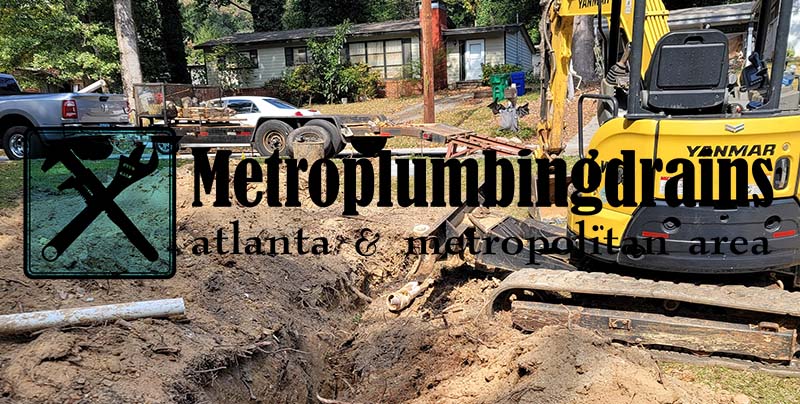
Sewer line excavation involves accessing an underground sewer pipe by removing soil above or around the damaged section.
Excavation may be required for repair, replacement, or new installation. The scope depends on the sewer line’s depth, location, and condition.
Why Should Sewer Line Problems be Repaired Quickly?
A damaged sewer line can create more than a drainage inconvenience. Sanitary sewer overflows may expose properties and surrounding areas to untreated wastewater.
The U.S. Environmental Protection Agency warns that sewer overflows can cause property damage and threaten public health. Wastewater backups inside homes require immediate attention.
What can Happen if You Delay Sewer Line Repair?
A small problem can become more difficult to manage. Cracks may expand, while roots can continue growing inside damaged joints.
Corroded pipes may weaken further. Recurring backups can expose flooring and building materials to contaminated wastewater.
Delaying professional diagnosis may also increase the eventual repair scope. Early investigation gives homeowners more information and more options.
How Does Main Sewer Line Replacement Work?
Main sewer line replacement is a major plumbing project. However, the process should not begin with excavation.
A professional replacement starts with diagnosis and planning. The goal is to identify damage and choose an appropriate replacement strategy.
Step 1: Sewer Line Inspection
The plumber evaluates drainage symptoms and the existing sewer system. A sewer camera may reveal corrosion, collapsed sections, root intrusion, or separated joints.
Previous repair history should also be considered.
Step 2: Locate the Damaged Sewer Pipe
The approximate location of the damaged section must be identified. Pipe depth and route can affect the repair strategy.
Nearby driveways, landscaping, structures, and utility lines may influence access.
Step 3: Develop the Replacement Plan
The plumber determines how much pipe requires replacement. One project may involve a limited damaged section.
Another property may require complete main sewer line replacement. The plan should consider pipe condition, access, and long-term reliability.
Step 4: Access the Existing Sewer Line
Some projects require main sewer line excavation. Soil is carefully removed to expose the damaged pipe.
The excavation area depends on pipe depth, location, and replacement length.
Step 5: Remove and Replace Damaged Pipe
Failed sewer piping is removed as required. New pipe is installed with proper connections and drainage slope.
Correct installation is essential for reliable wastewater movement.
Step 6: Test the Sewer System
The new sewer line should be checked before the project is completed. Testing helps confirm proper drainage and connection performance.
Step 7: Restore the Excavated Area
After the sewer work is completed, the excavation area can be backfilled. Restoration requirements depend on the original surface and project scope.
A clear process helps homeowners understand what happens during sewer line replacement.
What Is Main Sewer Line Installation?
Main sewer line installation involves installing a new primary wastewater pipe for a property. The new line connects the building’s drainage system to an approved sewer connection.
Installation may be required during new construction. It can also become necessary when an existing sewer system requires complete replacement or rerouting.
Why Is Proper Sewer Line Installation Important?
Wastewater relies heavily on proper pipe design and gravity flow. Incorrect slope can create drainage problems, while poor connections may leak.
Insufficient pipe support can contribute to movement and sagging.
A professional sewer line installation considers:
- Pipe route
- Drainage slope
- Pipe material
- Connection points
- Soil conditions
- Local requirements
Each factor can affect long-term sewer performance.
Main Sewer Line Installation Step by Step
Homeowners often ask what happens during a sewer line installation project. The exact process varies by property.
However, many projects follow a similar sequence.
1. Evaluate the Property
The plumbing team reviews the building’s drainage needs and existing sewer connections. Property conditions can affect the proposed pipe route.
2. Plan the Sewer Line Route
The route should support efficient wastewater movement. Existing structures and underground conditions must be considered.
3. Determine Required Access
Sewer line excavation may be necessary to create the installation route. The excavation depth depends on property and connection conditions.
4. Install the Sewer Pipe
The new pipe is positioned according to the project plan. Connections and slope require careful attention.
5. Inspect and Test the System
The installed line is checked for proper operation. Required inspections or project approvals may also apply.
6. Backfill and Complete the Project
The excavated area is backfilled after the sewer work is completed. Surface restoration depends on the project location.
Professional main sewer line installation should focus on long-term drainage performance.
Sewer Line Repair, Replacement, or Installation: What Is the Difference?
These services are related, but they solve different problems. Understanding the difference helps property owners discuss their options more confidently.
|
Service |
Main Purpose |
Common Situation |
|
Sewer line repair |
Fix isolated damage |
Local crack or damaged section |
|
Sewer line replacement |
Replace failed piping |
Extensive deterioration |
|
Main sewer line replacement |
Replace primary sewer pipe |
Major system failure |
|
Sewer line installation |
Install new sewer piping |
New or redesigned system |
|
Cast iron drain replacement |
Remove deteriorated cast iron |
Advanced corrosion |
|
Drain replacement |
Replace failed drainage piping |
Damaged drain system |
The correct service depends on the actual condition of the plumbing system. A camera inspection can provide important information before major work begins.
What Affects Sewer Line Replacement Cost in Atlanta?
There is no single price for sewer line replacement. Every property presents different conditions.
Local project costs can vary significantly because sewer systems differ in length, depth, access, and condition. A professional inspection is necessary for a project-specific estimate.
What Factors Affect the Final Price?
Several conditions can change sewer line replacement costs.
|
Cost Factor |
Why It Matters |
|
Pipe length |
Longer replacements require more materials and labor |
|
Sewer depth |
Deeper pipes may require more excavation |
|
Pipe condition |
Severe damage can increase project complexity |
|
Property access |
Limited access may affect equipment and labor |
|
Surface conditions |
Concrete or other surfaces can complicate access |
|
Pipe material |
Material selection affects project costs |
|
Permitting requirements |
Required approvals can affect project scope |
|
Restoration |
Yard or surface repairs may add costs |
Atlanta maintains permitting processes for applicable plumbing projects. Homeowners should ask whether permits or inspections apply to their specific sewer work.
Is Sewer Line Repair Always Cheaper?
The initial repair cost may be lower. That does not automatically make repair the better financial decision.
Consider a corroded cast iron sewer system. One section may be repaired this year, while another section fails several months later.
The property owner then pays for another diagnosis, access project, and repair. Long-term pipe condition should influence the final decision.
Why Are Older Atlanta Homes at Risk for Sewer Problems?
Atlanta has many established neighborhoods and older residential properties. Aging plumbing systems can present different challenges from newer installations.
The Atlanta Department of Watershed Management has acknowledged the age of the city’s water and sewer infrastructure. Private property drainage systems can face their own age-related issues.
Does Old Cast Iron Always Need Replacement?
No. Age alone should not determine the repair strategy.
The actual condition of the pipe matters more. A structurally stable cast iron drain may continue functioning.
Severe corrosion, recurring leaks, or widespread deterioration may support replacement. Camera inspection can help evaluate visible internal pipe conditions.
Why Do Older Sewer Systems Develop Repeated Problems?
Several factors may contribute:
- Pipe corrosion
- Root intrusion
- Aging connections
- Ground movement
- Internal buildup
- Previous improper repairs
Repeated drain cleaning may temporarily restore flow. However, cleaning cannot rebuild a collapsed or severely corroded pipe.
Finding the underlying cause is essential.
Seasonal Sewer Line Problems in Atlanta
Atlanta’s climate can affect underground drainage systems throughout the year. Seasonal changes may expose existing weaknesses.
Spring Sewer Problems
Heavy rainfall can place additional pressure on drainage conditions around properties. Wet soil may expose grading or existing drainage problems.
Root growth can also become more active. Existing sewer pipe openings may become vulnerable to root intrusion.
Summer Sewer Problems
Household water use may increase during warmer months. More guests and daily water usage can place additional demand on drainage systems.
Existing restrictions may become more noticeable during periods of increased use.
Fall Sewer Problems
Leaves and outdoor debris can affect exterior drainage areas. Fall is also a practical time to investigate recurring sewer symptoms before winter.
Slow drains and gurgling toilets should not be ignored.
Winter Sewer Problems
Atlanta can experience freezing conditions. Cold weather may expose vulnerable plumbing sections.
Seasonal ground conditions can also affect already damaged underground systems.
|
Season |
Sewer or Drain Concern |
|
Spring |
Heavy rain and root activity |
|
Summer |
Increased drainage demand |
|
Fall |
Outdoor debris and existing blockages |
|
Winter |
Cold-related plumbing stress |
Seasonal changes do not always cause sewer failure. However, they may reveal problems that were already developing.
Why Sewer Backups Should be Treated Seriously?
A sewer backup is different from a simple water leak. Wastewater may contain harmful biological contaminants.
The U.S. Environmental Protection Agency (EPA) identifies several potential health hazards associated with raw sewage. Sewer overflows can also back up into homes and cause property damage.
What Should You do During a Sewer Backup?
Take the problem seriously.
- Stop using toilets, sinks, showers, and washing machines.
- Keep children and pets away from affected areas.
- Avoid direct contact with wastewater.
- Call a professional plumber immediately.
- Document visible property damage when safe.
Do not continue flushing toilets to test the system. Additional wastewater can worsen the backup.
Sewer line emergencies are serious and usually require immediate intervention by a professional plumber. We accept emergency calls 24 hours a day, including holidays.
Areas We Serve Across the Atlanta Metro Area
Metro Plumbing and Drains provides sewer line repair and replacement services throughout Atlanta and surrounding communities. Local service is important when drainage problems affect an entire property.
Main Sewer Line Services in Atlanta
Atlanta properties can experience sewer problems related to aging pipes, roots, corrosion, and underground damage. We provide diagnosis, sewer line repair, and main sewer line replacement services.
Sewer Line Repair in Marietta
Marietta contains both established neighborhoods and newer properties. Different pipe ages can create different drainage problems.
Our team helps identify blockages and damaged sewer sections.
Sewer Line Replacement in Sandy Springs
Recurring sewer problems may indicate structural pipe damage. Sandy Springs property owners can contact our team for sewer line inspection and replacement options.
Main Sewer Line Services in Roswell
Mature landscaping can create concerns around underground sewer systems. Root intrusion may enter damaged joints or existing pipe openings.
Professional diagnosis helps identify the source of repeated backups.
Sewer Line Services in Alpharetta
Residential and commercial properties depend on reliable wastewater systems. We provide sewer line repair, installation, and replacement services throughout the area.
Cast Iron Drain Replacement in Decatur
Older properties may contain aging cast iron drainage systems. Corrosion and internal scaling can affect drainage performance.
We evaluate pipe conditions before recommending repair or replacement.
Sewer Line Services in Brookhaven and Dunwoody
Hidden underground damage can cause repeated drainage problems. Camera inspection can provide important information about visible pipe conditions.
Additional Atlanta Metro Communities We Serve
Metro Plumbing and Drains also serves:
- Lawrenceville
- Tucker
- Chamblee
- East Point
- College Park
- Peachtree Corners
- Norcross
- Lilburn
- Johns Creek
- Kennesaw
- Woodstock
- Acworth
- Duluth
- Suwanee
- Stone Mountain
Call 470-435-4377 to discuss sewer or drain problems at your property. And don’t worry if you don’t see your city in the list above. Our company serves the entire Atlanta metropolitan area!
Why Choose Metro Plumbing and Drains for Sewer Line Services?
Sewer problems can be stressful. Homeowners need clear information before approving major underground plumbing work.
Metro Plumbing and Drains focuses on professional diagnosis and practical solutions. The goal is to identify the actual problem before recommending major sewer work.
Clear Sewer Line Diagnosis
The first goal is understanding the problem. Symptoms, drainage behavior, and visible pipe conditions should be evaluated.
Repair and Replacement Options
Not every sewer problem requires complete replacement. When repair is practical, the damaged area may be addressed.
When deterioration is extensive, replacement options can be discussed.
Main Sewer Line Excavation
Some underground sewer projects require excavation. The work should follow a clear diagnosis and repair plan.
Cast Iron Pipe Experience
Aging cast iron drainage systems require careful evaluation. Repair or replacement decisions should consider the condition of the entire accessible system.
Atlanta Metro Service
Our team provides plumbing services throughout Atlanta and surrounding communities. Local knowledge helps us understand common drainage challenges across the Metro Area.
Frequently Asked Questions (FAQ) about Sewer Line Repair and Replacement
How do I know if my main sewer line is damaged?
Multiple slow drains, gurgling toilets, sewer odors, and wastewater backups are common warning signs. Repeated drain clogs may also indicate a deeper problem.
What is the difference between drain cleaning and sewer line repair?
Drain cleaning removes blockages and buildup. Sewer line repair addresses damaged pipe sections or structural defects. Cleaning cannot repair a collapsed pipe.
When do I need main sewer line replacement?
Replacement may be considered when the sewer pipe has extensive corrosion, multiple failures, or collapsed sections. Poor installation can also require replacement.
Can tree roots damage a sewer line?
Yes. Roots can enter existing cracks, joints, or openings. Continued growth may restrict wastewater flow and worsen pipe damage.
What is sewer line excavation?
Sewer line excavation involves removing soil to access buried sewer piping. It may be required for repair, replacement, or installation.
How long does sewer line replacement take?
Project duration depends on pipe length, depth, access, and excavation requirements. Expected timelines should be discussed after diagnosis.
How much does sewer line replacement cost in Atlanta?
Costs vary significantly. Pipe length, depth, access, excavation, materials, and restoration can all affect pricing.
A property-specific inspection provides more useful information than a generic online estimate.
Is a sewer camera inspection necessary?
Camera inspection is valuable for many sewer problems. It can reveal visible cracks, corrosion, roots, and damaged pipe sections.
Some conditions may require additional diagnostic methods.
Can a sewer line be repaired without replacing the entire pipe?
Yes, in some cases. Isolated damage may allow a targeted sewer line repair.
The remaining pipe should be evaluated before choosing that option.
What causes repeated sewer backups?
Common causes include roots, pipe corrosion, structural damage, poor slope, and recurring blockages. Repeated backups deserve professional diagnosis.
Do you provide main sewer line installation?
Yes. Metro Plumbing and Drains provides sewer line installation and related underground plumbing services in the Atlanta Metro Area.
Who should I call for sewer line repair in Atlanta?
Contact an experienced local plumbing company that can diagnose the problem and explain repair options clearly.
Metro Plumbing and Drains can be reached at 470-435-4377.
Find the Right Sewer Line Solution in Atlanta
Main sewer line problems should never be ignored. Repeated backups, slow drains, sewer odors, and gurgling toilets may indicate serious underground pipe problems.
The correct solution begins with an accurate diagnosis. Some properties need sewer line repair. Others may require main sewer line replacement, drain replacement, or cast iron drain replacement.
Major projects can also involve sewer line excavation or main sewer line excavation. Professional evaluation helps property owners understand their sewer system before making a decision.
Metro Plumbing and Drains provides sewer line repair, sewer line replacement, main sewer line installation, and drain excavation services throughout Atlanta. Our team also serves communities across the Atlanta Metro Area.
If you are experiencing repeated sewer problems, do not wait for wastewater to back up into your home. Call 470-435-4377 to speak with Metro Plumbing and Drains.
Fast diagnosis can help you understand the problem. The right repair strategy can protect your property and restore reliable drainage.
For additional plumbing educational resources, visit Metro Plumbing and Drains website.
You can also review our newest plumbing updates at our Facebook page.
Professional Plumber insights at our LinkedIn business page.
Or if you have some questions, simply call us at: 470 435-4377, 24/7.
sewer plumber in Atlanta Metro Area
(If you don’t see your city, don’t worry. Our company serves the entire Atlanta metropolitan area)